Hydrogen & ammonia combustion
Developing combustion science and technology for carbon-free fuels in practical energy systems.

Department of Mechanical Engineering, Graduate School of Engineering, Kyushu University
We advance ammonia, hydrogen, and e-fuel combustion from fundamental kinetics to practical energy systems. Our work combines high-pressure experiments, optical diagnostics, and high-fidelity simulations to support low- and zero-emission combustion technologies.

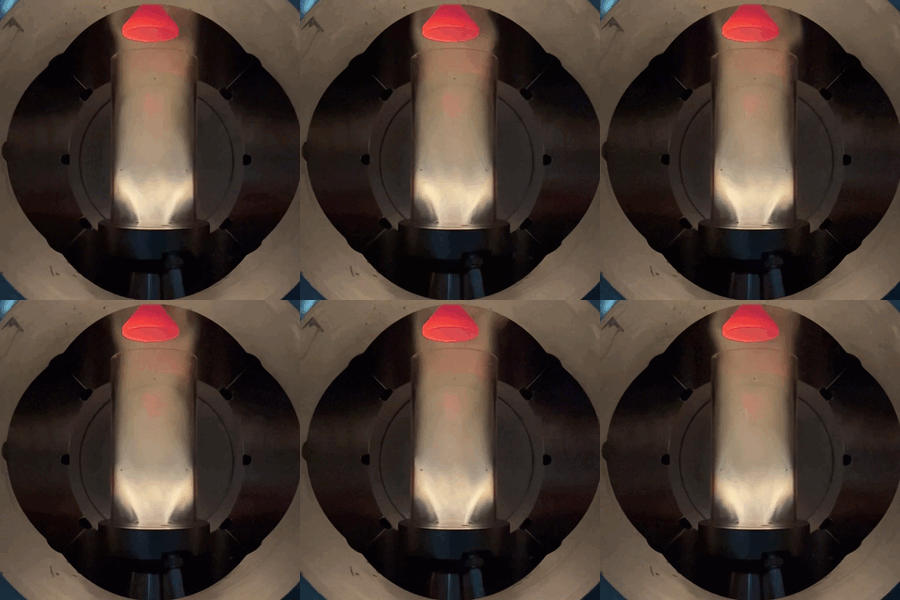
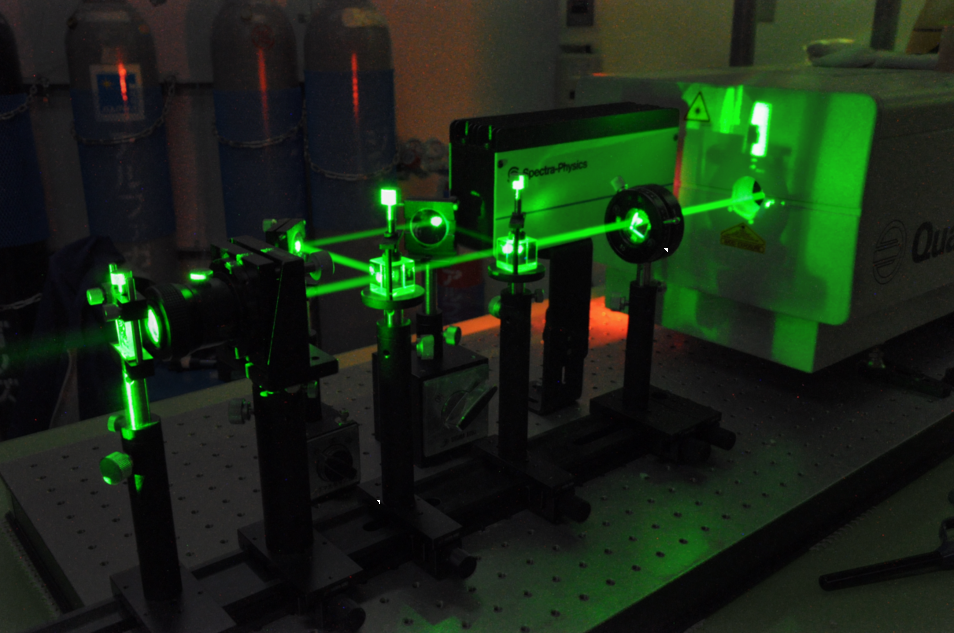
Developing combustion science and technology for carbon-free fuels in practical energy systems.
Linking chemical kinetics and flame physics to burners, gas turbines, engines, and spray systems.
Using laser diagnostics, high-speed imaging, and controlled facilities to capture complex combustion behavior.
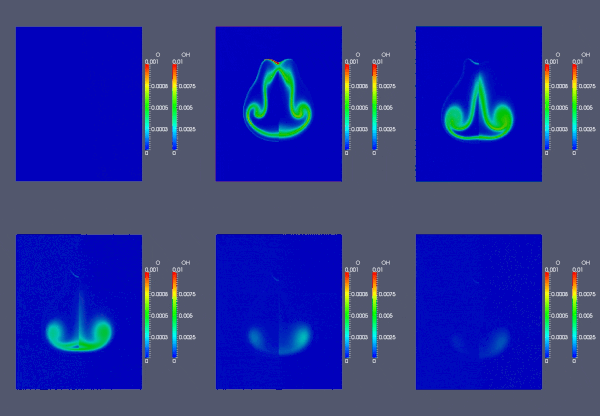
Combining DNS, CFD, reactor-network analysis, and reduced-order modeling for insight and design guidance.
Approximately 80% of the world’s primary energy still depends on fossil fuels, and combustion-based systems will continue to play a central role in the energy supply for years to come. The decarbonization of combustion is therefore essential. The Reactive Gas Dynamics Laboratory focuses on ammonia, hydrogen, and e-fuels, aiming to clarify combustion mechanisms across scales, from molecular-level chemistry to practical devices.
We study laminar and turbulent flame propagation, ignition, extinction, and the chemistry of ammonia and hydrogen combustion.
We investigate flame stabilization and the control of NOx, NH3, N2O, and related emissions in realistic burner systems.
We examine injection, spray formation, flash boiling, and combustion behavior in liquid-fuel and engine-oriented applications.
We integrate optical diagnostics and high-fidelity modeling to connect measurable phenomena with predictive tools.

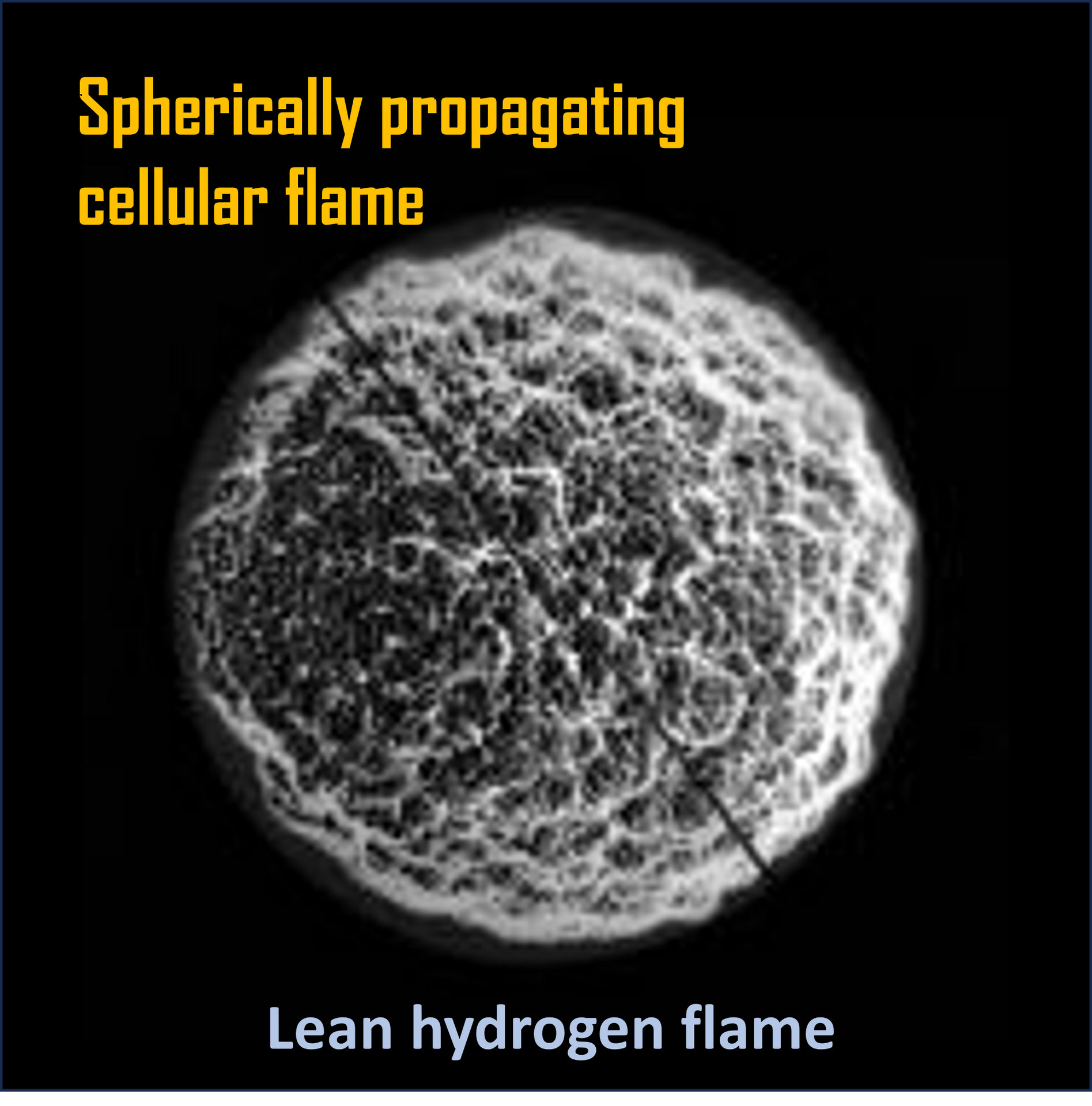
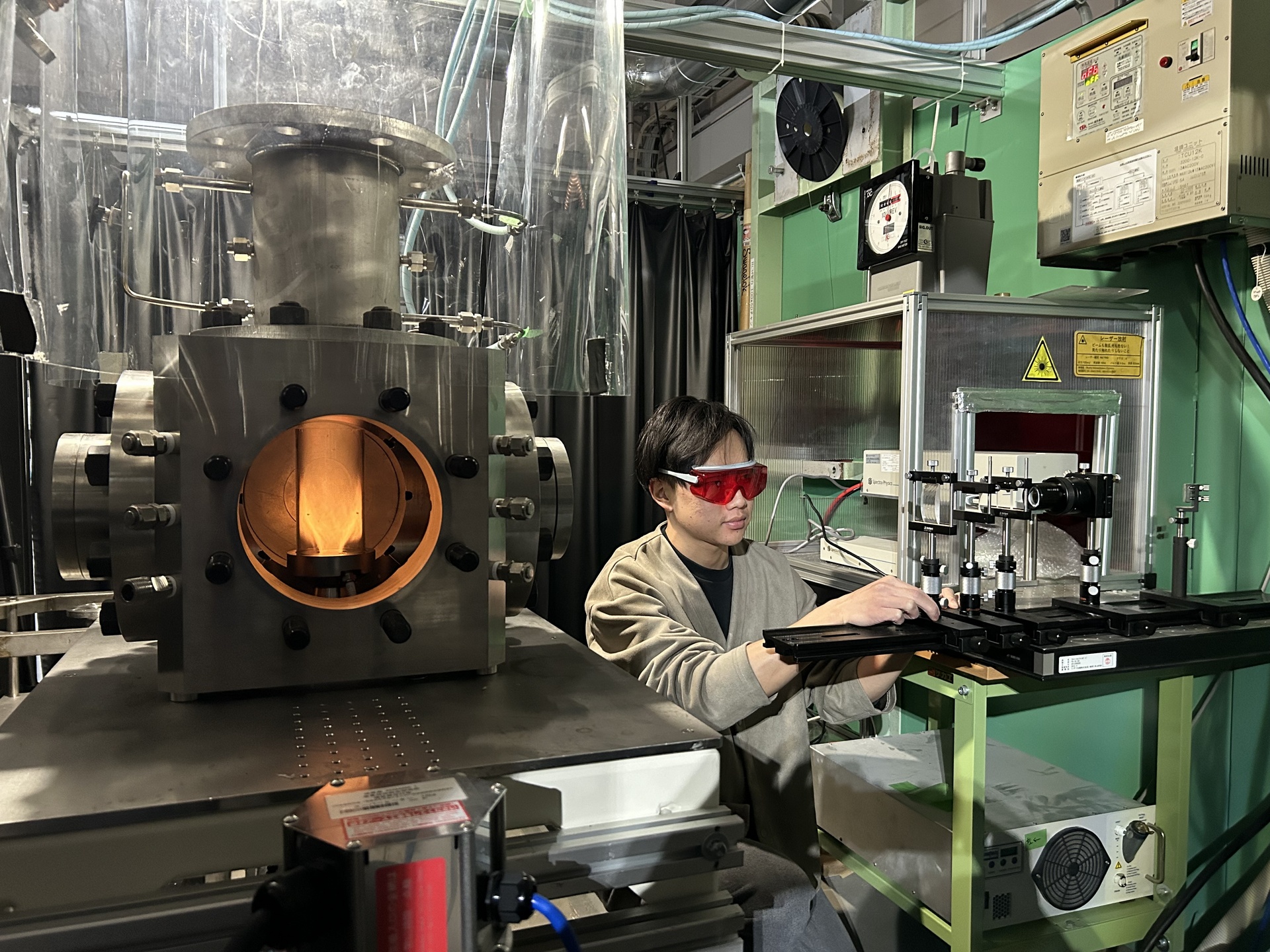
We welcome motivated students and collaborators interested in combustion, energy systems, diagnostics, and computational modeling. Our laboratory provides opportunities for both hands-on experiments and advanced numerical research.