Research

Advancing combustion science for carbon-neutral energy systems

Our research spans detailed chemical kinetics, flame physics, burner combustion, spray processes, and high-fidelity modeling. We connect fundamental science with practical systems to enable ammonia, hydrogen, and other low- and zero-carbon fuels.

Laboratory facilities and experiments

Research philosophy

We aim to pioneer next-generation combustion technologies for carbon-neutral fuels such as hydrogen and ammonia while improving the efficiency and performance of practical energy systems, including gas turbines, industrial burners, and reciprocating engines. By integrating experiments, diagnostics, and simulation, we seek both fundamental understanding and engineering relevance.

Research areas

The laboratory’s work is organized around fundamental combustion science and its application to realistic devices. The themes below reflect the scope of the group and align with the current student-group structure.

Chemical Kinetics & Reaction Mechanisms
01

Chemical Kinetics & Reaction Mechanisms

We develop, optimize, and validate detailed and reduced chemical kinetic models for ammonia and its blends. This supports accurate prediction of ignition, flame propagation, extinction, and emissions formation in carbon-free combustion systems.

Fundamental Flame Physics
02

Fundamental Flame Physics

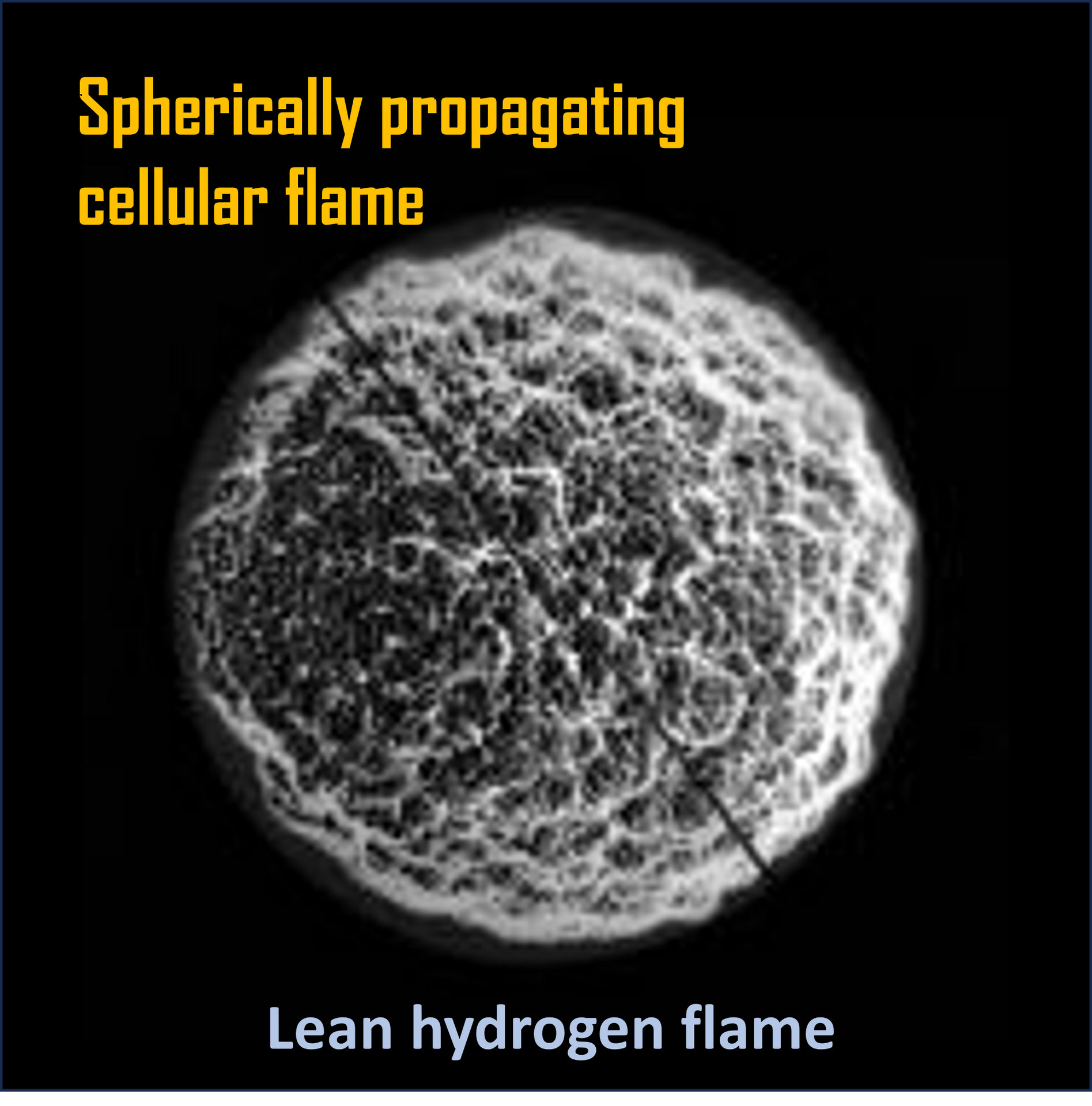
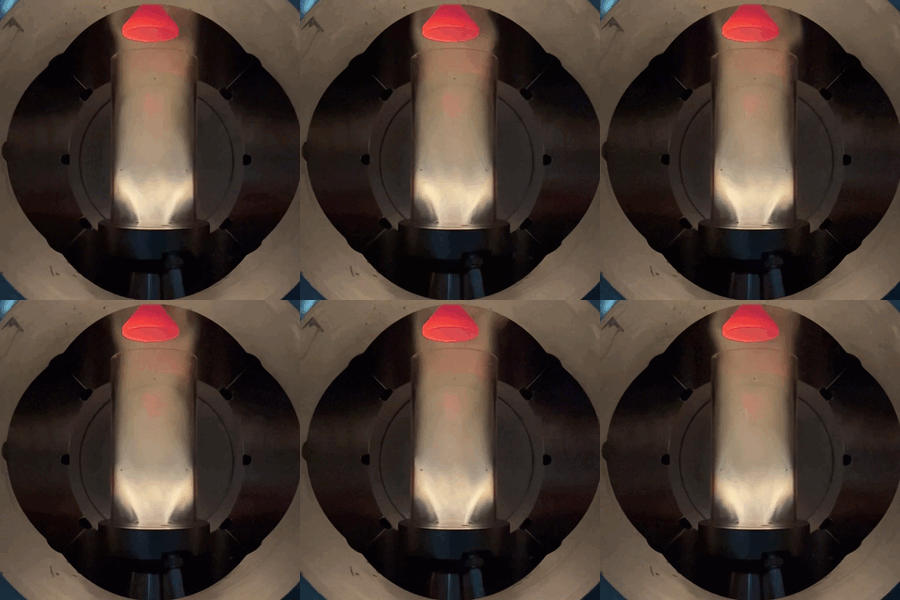
We investigate laminar and turbulent flame propagation, burning velocity, flame stretch, and turbulence–chemistry interaction. These studies provide essential physical insight for advanced combustion systems and model development.

Burner Combustion & Emissions Control
03

Burner Combustion & Emissions Control

Using model burners under elevated pressure and temperature, we study flame stabilization and the formation and control of NO, N2O, NH3, and related emissions in gas turbines and industrial combustion systems.

Spray & Engine Combustion
04

Spray & Engine Combustion

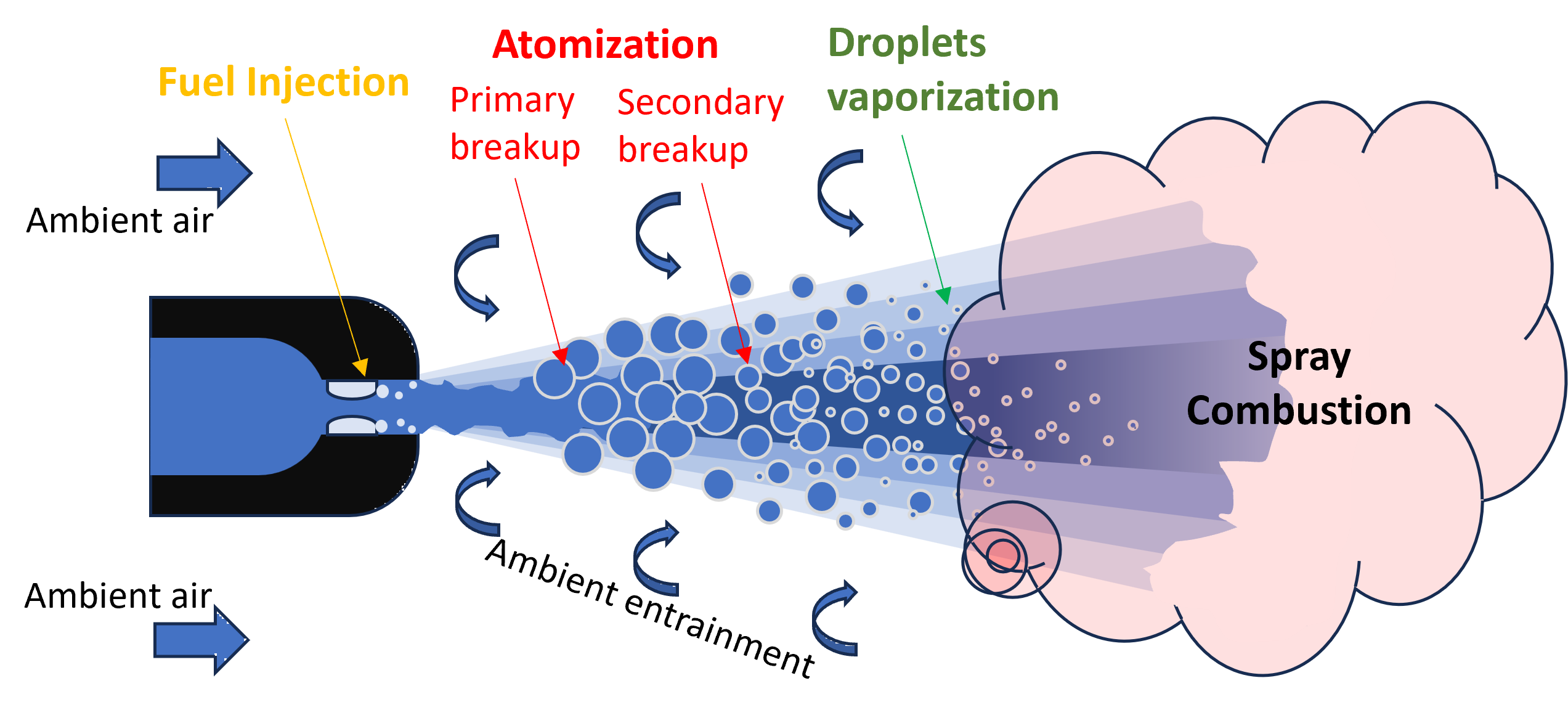
We study liquid-fuel injection, spray formation, flash boiling, and combustion processes with emphasis on liquid ammonia and engine-oriented applications where fuel delivery, atomization, and emissions are tightly coupled.

Soot Formation & Particulate Processes
05

Soot Formation & Particulate Processes

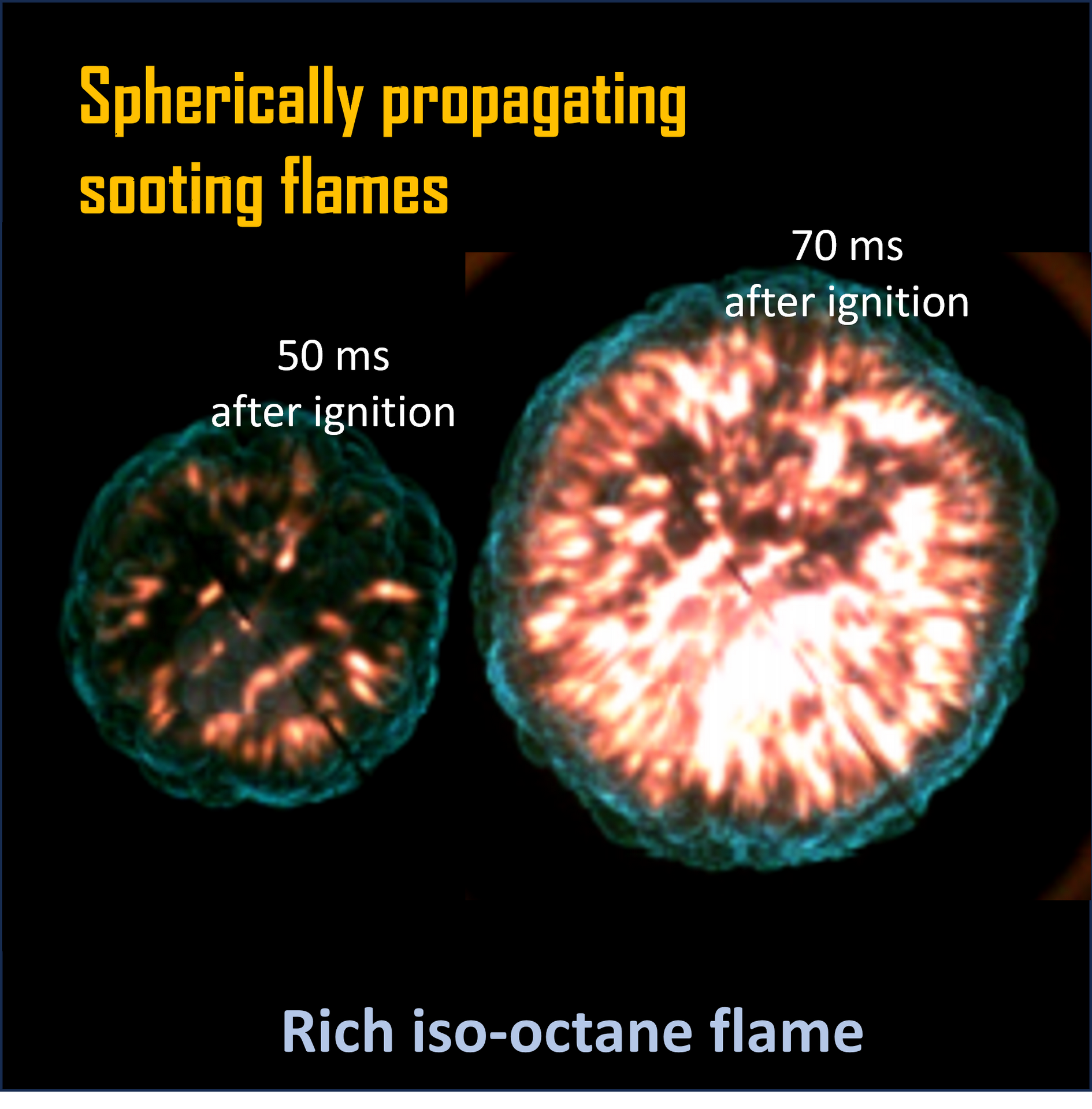
We investigate soot and particulate formation in premixed flames to better understand combustion-derived particles in engines and practical systems under increasingly demanding efficiency constraints.

Advanced Diagnostics & High-Fidelity Simulation
06

Advanced Diagnostics & High-Fidelity Simulation

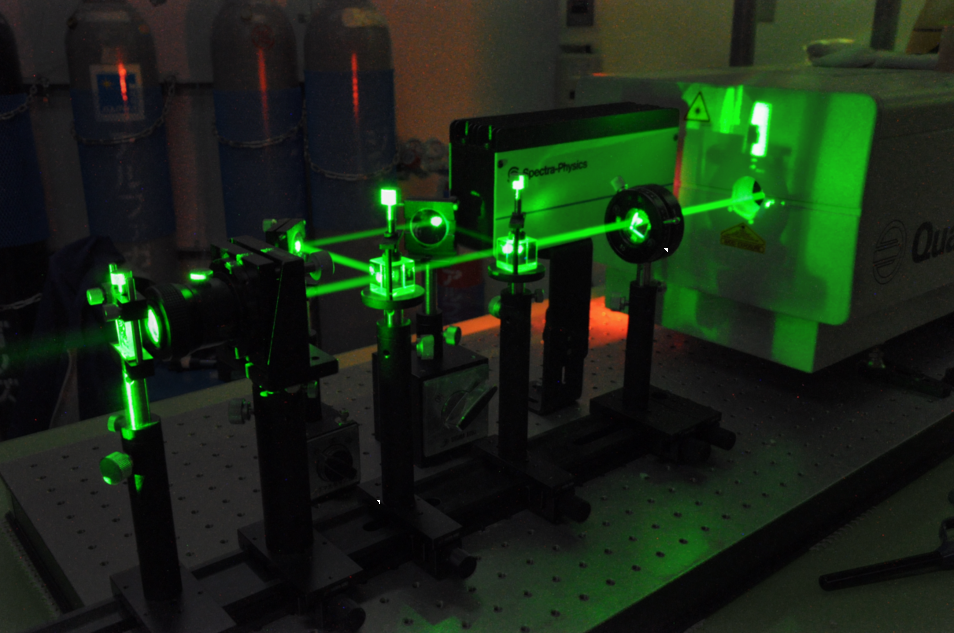
Our research integrates laser diagnostics, high-speed imaging, DNS, reactor-network analysis, CFD, and reduced-order modeling to connect fundamental observations with predictive engineering tools.

Facilities & capabilities

Our experimental and numerical tools allow us to examine combustion under controlled conditions and connect observations to predictive models for practical applications.

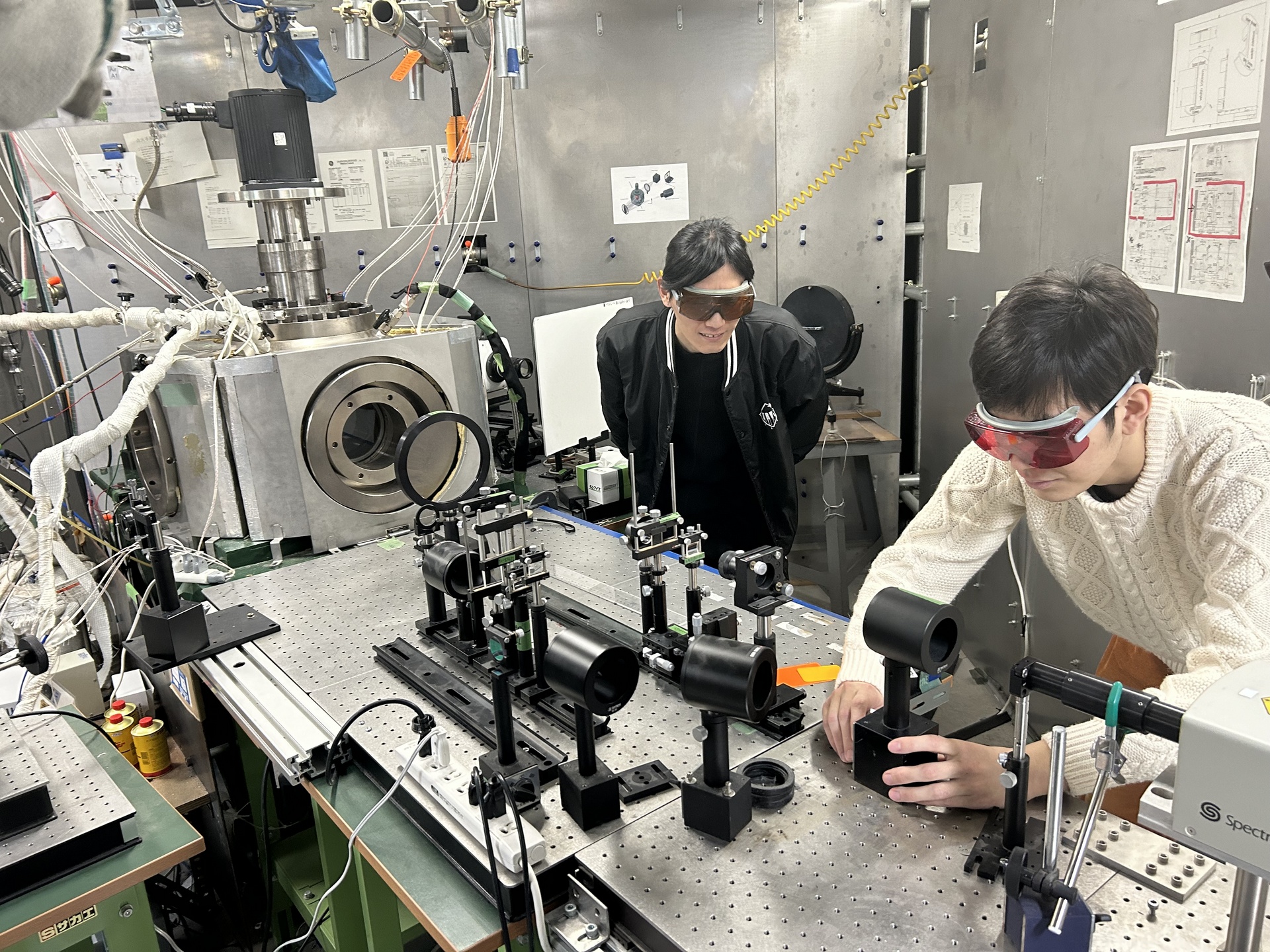
Laser diagnostics

Laser diagnostics

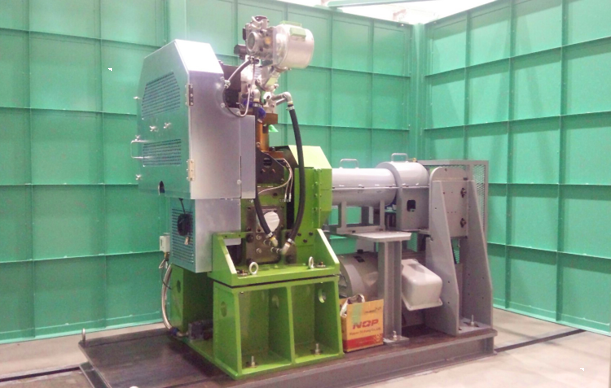
Single-cylinder engine

Single-cylinder engine

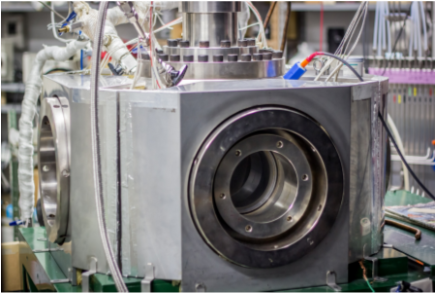
Constant-volume combustion chamber

Constant-volume combustion chamber

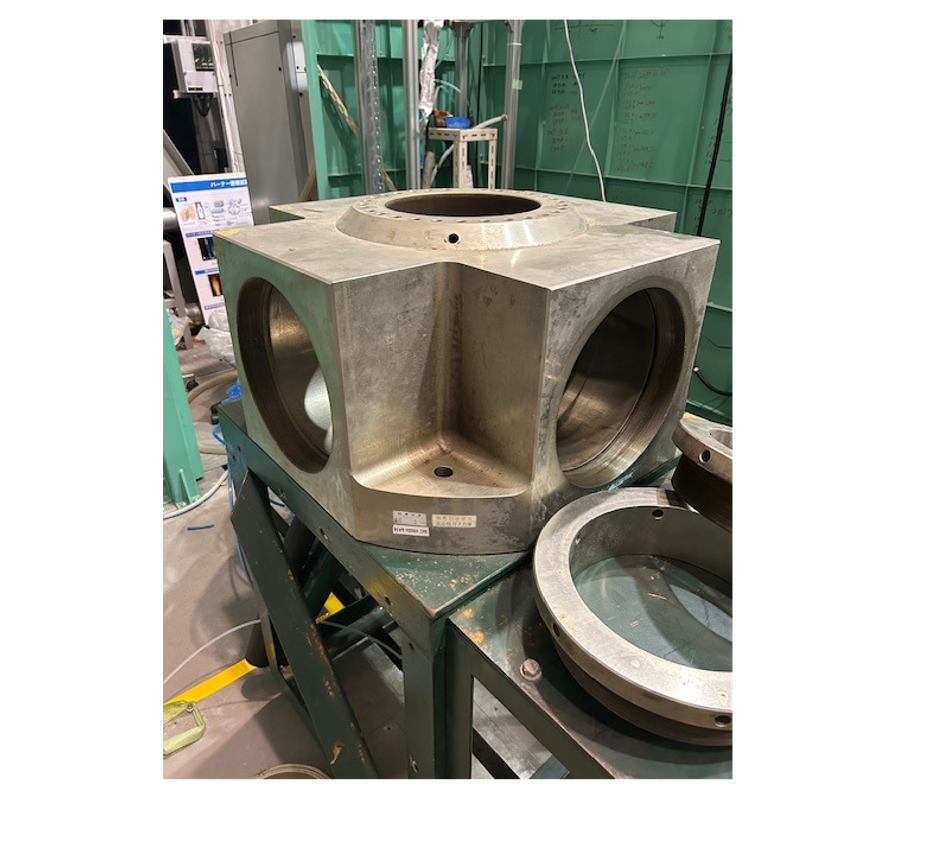
High-pressure combustion test rig

High-pressure combustion test rig

From fundamentals to systems

Across these themes, our goal is consistent: to develop scientifically grounded, practically useful pathways for low-emission and zero-emission combustion systems. This includes ammonia-fueled burners, hydrogen-enabled combustion, liquid-fuel spray systems, and model frameworks that can support next-generation energy and marine applications.